

Insurance claims can feel like a maze. Damage happens. Stress rises. Paperwork piles up. Somewhere in the middle of it all, many homeowners decide to hire a public adjuster to help manage the claim and negotiate with the insurance company.
But an important question always follows.
Who regulates public adjusters?
That question matters more than most people realize. When someone steps in to represent your interests in an insurance claim, you want to know they are qualified, ethical, and accountable. The good news is that public adjusters do not operate in a vacuum. They are regulated professionals, and strict rules exist to protect policyholders.
In this article, we’ll break down who regulates public adjusters, how those regulations work, and what homeowners should know before hiring one. The goal is simple: clarity. Because when you understand the system, you make smarter decisions.
Let’s start with the basics.
Understanding the Role of Public Adjusters
Before diving deeper into who regulates public adjusters, it helps to understand what these professionals actually do.
A public adjuster is a licensed insurance claims specialist who works for policyholders. Not insurance companies. Not contractors. And not third-party firms hired by insurers.
They work for you.
Their job is to evaluate property damage, review insurance policies, document losses, and negotiate with the insurance company to reach a fair settlement.
Sometimes claims are simple. Other times they’re complicated. Storm damage, fire loss, or major water damage can involve extensive documentation and negotiation.
That’s where public adjusters often step in.
What a Public Adjuster Typically Handles
A public adjuster may assist with:
- Inspecting and documenting property damage
- Reviewing insurance policy coverage
- Preparing detailed claim reports
- Estimating repair or replacement costs
- Negotiating settlement amounts with insurers
- Managing communication with insurance companies
These responsibilities carry weight. And that’s exactly why regulation exists.
Public Adjusters vs Other Types of Adjusters
Insurance claims often involve different types of adjusters, which can confuse homeowners.
Here is a quick comparison.
| Adjuster Type | Who They Work For | Who Pays Them |
| Staff Adjuster | Insurance company employee | Insurance company |
| Independent Adjuster | Contracted by insurers | Insurance company |
| Public Adjuster | Policyholder | Percentage of settlement |
A staff adjuster and independent adjuster both represent the insurance company. A public adjuster represents the policyholder.
Because they advocate for homeowners, regulators place clear guidelines on how they operate. That leads us to the central question again.
Who regulates public adjusters?
Who Regulates Public Adjusters in the United States
The primary answer is straightforward.
State insurance departments regulate public adjusters.
Every U.S. state has an agency responsible for overseeing the insurance industry. These agencies create rules, issue licenses, enforce ethical standards, and investigate complaints.
Examples include:
- Texas Department of Insurance
- Florida Department of Financial Services
- California Department of Insurance
- New York State Department of Financial Services
Each state sets its own regulatory framework, but the core responsibilities are similar.
What State Regulators Actually Do
When asking who regulates public adjusters, it’s important to understand the full scope of oversight. State insurance departments handle several key responsibilities:
- Issuing and renewing public adjuster licenses
- Administering licensing exams
- Conducting background checks
- Reviewing contract requirements
- Investigating complaints from consumers
- Enforcing disciplinary actions when violations occur
In other words, they function as both gatekeepers and enforcers.
Without this oversight, anyone could claim to be a public adjuster. That would create chaos in the claims process.
Licensing Requirements for Public Adjusters
Another critical part of who regulates public adjusters involves licensing standards. Public adjusters must meet specific requirements before they can legally represent policyholders.
While rules vary slightly by state, most licensing systems share similar elements.
Typical Licensing Requirements
A public adjuster often must:
- Be at least 18 years old
- Pass a state licensing exam
- Submit a criminal background check
- Apply through the state insurance department
- Maintain a surety bond
- Complete continuing education
These requirements ensure that adjusters understand insurance policies, state laws, and claim procedures before working with homeowners.
Without a license, they cannot legally practice.
The Role of Surety Bonds
Many states require public adjusters to carry a surety bond. This requirement adds another layer of protection.
A surety bond acts as a financial safeguard. If a public adjuster violates regulations, engages in misconduct, or causes financial harm, consumers may have a path to recover losses.
Here’s why bonds matter:
- They create accountability
- They provide financial protection
- They reinforce professional standards
State regulators typically set the required bond amount, which may range from several thousand to tens of thousands of dollars.
Again, this requirement is part of the broader system controlling who regulates public adjusters and how consumer protections are enforced.
Consumer Protection Laws for Public Adjusters
Beyond licensing, regulators also establish strict consumer protection laws.
These laws govern how public adjusters interact with homeowners.
Contract Rules
Most states require written contracts that clearly explain:
- The services being provided
- The adjuster’s fee structure
- Cancellation rights
- Payment terms
- Responsibilities of both parties
Some states also require a cooling-off period, allowing homeowners to cancel the contract within a certain number of days.
Fee Transparency
Public adjusters typically work on a contingency basis, meaning they receive a percentage of the claim settlement.
State laws often require:
- Transparent fee disclosures
- Signed agreements
- Limits on percentage fees in some situations
Below is a simplified overview.
| Regulation Type | Purpose |
| Licensing | Ensures adjusters meet competency standards |
| Contract rules | Protect homeowners from unfair agreements |
| Fee disclosure | Prevents hidden costs |
| Complaint systems | Allows regulators to investigate issues |
These safeguards exist because regulators understand the stakes involved in insurance claims.
Continuing Education Requirements
Insurance laws change. Policy language evolves. Claim procedures shift.
That’s why regulators often require public adjusters to complete continuing education.
This ensures professionals remain knowledgeable and current.
Typical requirements include:
- Periodic license renewal
- Completion of continuing education hours
- Ethics training
- Regulatory compliance updates
Continuing education helps maintain high professional standards across the industry.
And once again, it ties back to the larger system defining who regulates public adjusters and how they maintain accountability.
Oversight and Enforcement
Regulation isn’t just paperwork.
It includes active oversight.
State insurance departments investigate complaints and enforce penalties when adjusters violate regulations.
Common Complaint Types
Homeowners may report issues such as:
- Misrepresentation of services
- Excessive fees
- Contract disputes
- Unlicensed activity
- Fraudulent claim handling
Once a complaint is filed, regulators review the evidence and may launch a formal investigation.
Possible Penalties
When violations occur, regulators can impose serious consequences.
These may include:
- License suspension
- License revocation
- Administrative fines
- Legal prosecution
- Consumer restitution orders
Strong enforcement helps maintain trust in the claims process.
Professional Associations and Industry Standards
While discussing who regulates public adjusters, it’s also important to distinguish regulators from professional associations.
Organizations like the National Association of Public Insurance Adjusters (NAPIA) play an important role in shaping industry standards.
However, they do not regulate adjusters directly.
Instead, they:
- Provide professional training
- Offer certification programs
- Promote ethical guidelines
- Support industry advocacy
Many reputable adjusters choose to join these associations to strengthen their professional credibility.
But licensing authority still comes from the state.
How Homeowners Can Verify a Public Adjuster
Knowing who regulates public adjusters empowers homeowners to verify credentials before signing a contract.
Checking a license only takes a few minutes.
Steps to Verify Licensing
- Visit your state insurance department website.
- Locate the license search tool.
- Enter the adjuster’s name or license number.
- Confirm the license is active and in good standing.
- Review any disciplinary history if available.
If the adjuster cannot provide a license number, that is a warning sign.
Transparency should always come first.
Questions Homeowners Should Ask Before Hiring
Even when a license checks out, homeowners should still ask questions.
Good professionals welcome questions. They answer clearly and confidently.
Here are a few helpful ones:
- Are you licensed in this state?
- How many claims like mine have you handled?
- What percentage fee do you charge?
- Will you personally manage my claim?
- How often will you update me during the process?
These conversations reveal professionalism quickly.
Why Regulation Matters for Homeowners
The system that answers who regulates public adjusters exists for one primary reason: protection.
Insurance claims can involve large sums of money. Repairs, rebuilding, and recovery depend on those funds.
Strong regulation helps ensure homeowners receive ethical representation.
Key Benefits of Regulation
- Ensures professional qualifications
- Protects consumers from fraud
- Creates accountability within the industry
- Provides dispute resolution channels
- Promotes transparency in contracts
Without regulation, the risk of abuse would increase dramatically.
Fortunately, the current system gives homeowners tools and protections.
Special Rules During Disaster Claims
After major disasters, public adjuster activity often increases. Hurricanes, floods, and wildfires generate thousands of claims at once.
During these periods, regulators sometimes introduce additional rules.
Post-Disaster Protections
Some states may implement:
- Temporary fee caps
- Restrictions on solicitation
- Extended contract cancellation periods
- Additional documentation requirements
These protections help prevent aggressive sales tactics when homeowners are under stress.
Regulators understand that disaster recovery is a vulnerable moment.
How Regulations Differ by State
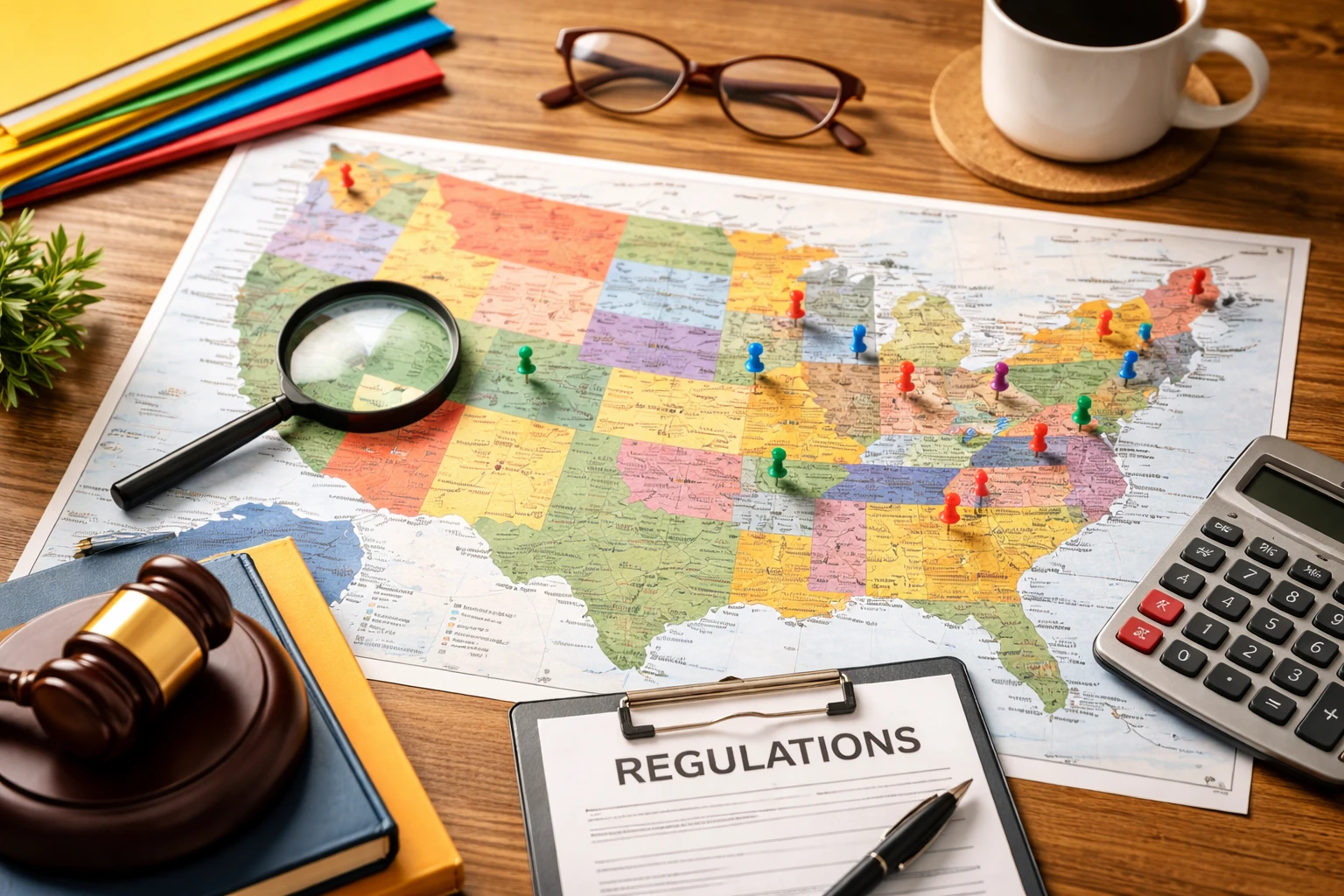
While the general framework is similar nationwide, regulations can vary by state.
This variation exists because insurance regulation operates primarily at the state level.
Examples of Differences
Some states may have:
- Lower or higher fee caps
- Different contract cancellation periods
- Unique licensing exams
- Different continuing education requirements
Despite these differences, one thing remains consistent: state insurance departments regulate public adjusters.
That core structure holds across the country.
When to Contact a State Insurance Department
Homeowners should contact regulators if something doesn’t feel right during the claims process.
Warning signs may include:
- Pressure to sign a contract immediately
- Lack of license verification
- Confusing fee agreements
- Unclear claim documentation
- Poor communication during negotiations
State regulators can review complaints, investigate misconduct, and provide guidance.
Sometimes just knowing the oversight exists changes the dynamic.
Final Thoughts
Insurance claims are rarely simple. Damage, paperwork, and negotiations can overwhelm even experienced homeowners.
That’s why public adjusters exist. They advocate for policyholders during complicated claims.
But oversight matters.
The answer to who regulates public adjusters is clear: state insurance departments.
These agencies license adjusters, enforce ethical standards, investigate complaints, and protect consumers. Their oversight ensures that public adjusters operate within a structured, accountable system.
For homeowners, the takeaway is simple.
Verify licenses.
Read contracts carefully.
Ask questions before signing anything.
Regulation provides the framework. Your diligence completes the protection.
And when both work together, the claims process becomes far more manageable.
FAQs
Public adjusters are primarily regulated by each state’s insurance department, which oversees licensing, compliance, and consumer protection.
Yes, in most states public adjusters must obtain a license from the state insurance department before representing policyholders in insurance claims.
You can check a public adjuster’s license by searching the license database on your state insurance department’s website.
State regulators may impose penalties such as fines, license suspension, or revocation if a public adjuster violates professional or legal standards.
Some states regulate or cap the percentage that public adjusters can charge, especially during disaster-related claims.
No, public adjusters are regulated at the state level rather than by federal agencies.
Regulations require licensing, transparent contracts, and ethical practices to help protect homeowners from fraud or unfair claim representation.
Yes, homeowners can file complaints with their state insurance department if they believe a public adjuster acted improperly.
Many states require public adjusters to carry a surety bond or other financial guarantees to protect consumers from misconduct.
Yes, each state sets its own rules regarding licensing, fees, contracts, and continuing education for public adjusters.