
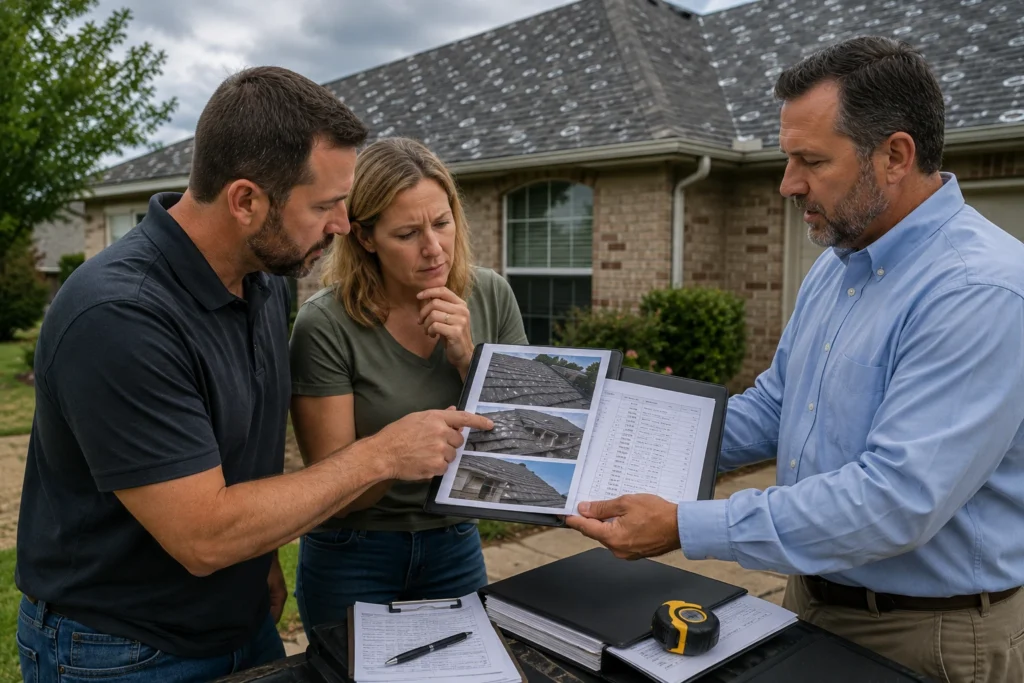
A severe hailstorm can leave a trail of damage across an entire neighborhood in minutes. Then comes the insurance process. Many homeowners assume that once the insurance company issues payment, the hard part is over. Unfortunately, that is not always true. An underpaid hail damage insurance claim can create a second round of frustration when repair estimates arrive and the numbers simply do not match the settlement amount. After major storms, property owners often discover that insurance estimates fail to include important repair items, overlook portions of the damage, or rely on pricing that does not reflect current market conditions. The result is a settlement that falls short of what is actually required to restore the property.
Interestingly, insurance disputes often involve complex forms of evaluation and analysis. In scientific fields, concepts such as Bayesian inference are used to update conclusions when new evidence becomes available. Insurance claims work differently, of course, but the underlying principle remains relevant: decisions should improve when additional evidence is presented. That is why documentation matters so much when challenging an underpaid claim. For homeowners in Prosper, understanding the reasons behind claim underpayments can make the difference between an inadequate settlement and a fully documented recovery process. Let’s examine what causes these disputes, how to identify warning signs, and what actions can help protect your interests.
What Is an Underpaid Hail Damage Insurance Claim?
An underpaid claim occurs when the insurance company acknowledges covered damage but provides a settlement that does not fully account for the necessary repairs. This distinction matters. A denied claim means the carrier disputes coverage altogether. An underpaid claim means coverage exists, but the amount offered may not be sufficient.
Many homeowners initially assume that if a claim is approved, the estimate must be accurate. That assumption can be expensive. Insurance estimates are created by people. People make mistakes. Sometimes damage is overlooked. Sometimes measurements are incorrect. Sometimes important components never make it into the estimate. An underpaid hail damage insurance claim often reveals itself when contractors begin preparing repair proposals and discover significant differences between actual costs and the insurance settlement.
Common Signs of Underpayment
Several warning signs appear repeatedly after major hail events.
These include:
- Contractor estimates significantly exceed the insurance estimate
- Entire sections of damage appear missing
- Repair costs exceed available claim funds
- Multiple contractors identify damage not included in the estimate
- Roofing materials cannot be matched
- Code-required upgrades are absent
One sign alone may not indicate a problem. Several signs together often deserve closer examination.
Why Hail Claims Are Frequently Underpaid
Hail claims create unique challenges for insurers and policyholders alike. Unlike a broken pipe or kitchen fire, hail damage can affect dozens of components across a property. Some damage is obvious. Some is subtle. Some develops into larger issues over time. That complexity creates opportunities for omissions.
High Claim Volume After Major Storms
When large storms strike North Texas, insurance companies may receive thousands of claims in a relatively short period. Adjusters often work under intense pressure. Inspections must be scheduled quickly. Reports must be completed efficiently. Decisions must move through the system. Speed has advantages. It also creates risk. The faster inspections occur, the greater the chance that certain damage indicators may be missed.
Incomplete Inspections
No two inspections are identical. Some adjusters spend considerable time evaluating every component. Others may focus primarily on obvious roof impacts. The difference can be substantial.
A limited inspection may fail to identify damage involving:
- Flashing
- Gutters
- Roof vents
- Window screens
- Metal roof accessories
- Air conditioning components
Missing damage often leads directly to an underpaid hail damage insurance claim.
Estimating Software Limitations
Most insurance companies rely on estimating software. The software itself is not the problem. The issue lies in how information is entered. If measurements are incomplete or line items are omitted, the estimate will reflect those omissions. The final settlement amount may appear precise, yet still fail to account for the full scope of repairs.
How Hail Damage Actually Affects a Property
Many homeowners focus entirely on shingles after a hailstorm. That is understandable. Roofs typically absorb the greatest impact. However, hail damage often extends far beyond the roofing system.
Roof Damage
Different roofing materials respond differently to hail.
Asphalt shingles may experience:
- Bruising
- Granule displacement
- Fractures
- Reduced lifespan
Metal roofs may exhibit:
- Dents
- Surface coating damage
- Functional impairment
Tile roofing systems can crack or fracture under larger impacts. The challenge is that some forms of damage remain difficult to identify without close inspection.
Soft Metal Components
One of the most frequently overlooked categories involves soft metals.
These include:
- Roof vents
- Flashing
- Downspouts
- Gutters
- Turbine vents
- Chimney caps
Soft metal impacts often serve as evidence of storm severity. They may also require replacement themselves. Yet these components are frequently omitted from insurance estimates.
Exterior Components
Hail can damage:
| Property Component | Potential Damage |
| Siding | Cracks, punctures |
| Window Screens | Tears and dents |
| Garage Doors | Cosmetic and functional damage |
| Exterior Paint | Chipping and impact marks |
| Fencing | Surface damage and fractures |
A complete inspection should evaluate every affected area. Not just the roof.
Hidden Damage
Some hail-related problems remain invisible immediately after the storm.
These may include:
- Underlayment deterioration
- Moisture intrusion
- Fastener damage
- Structural stress
- Future leak pathways
Because hidden damage is difficult to identify, additional inspections may uncover issues long after the initial claim review.
The Most Common Reasons Hail Damage Claims Are Underpaid
Understanding why underpayments occur can help homeowners identify weaknesses in their claim documentation.
Incomplete Scope of Damage
This is perhaps the most common issue. The estimate simply fails to include all damaged components.
For example, the insurance company may approve roof replacement while excluding:
- Gutters
- Flashing
- Ventilation components
- Screens
- Exterior accessories
Each omission reduces the settlement amount. Collectively, they can create a significant shortfall.
Incorrect Measurements
Roof measurements directly affect claim value. Even small discrepancies matter.
A measurement error can impact:
- Material quantities
- Labor calculations
- Tear-off costs
- Waste factors
The result is often a settlement that falls below actual repair requirements.
Missing Line Items
Insurance estimates contain hundreds of potential line items. If items are omitted, reimbursement decreases.
Commonly missed examples include:
- Starter shingles
- Ridge caps
- Ice and water barriers
- Drip edge
- Flashing replacement
- Permit fees
- Debris removal
Many homeowners never notice these omissions because they focus primarily on the total settlement figure. The details often matter far more than the final number.
Pricing Differences
Material prices fluctuate. Labor costs change. Market conditions evolve rapidly after severe storms. If pricing databases fail to reflect current conditions, the estimate may not align with actual repair costs. This discrepancy frequently contributes to an underpaid hail damage insurance claim.
Matching Problems
Insurance policies sometimes require consideration of matching issues. Imagine replacing only a portion of a roof with discontinued materials. The repaired section may look dramatically different from the existing roof.
Homeowners frequently encounter disputes involving:
- Color variation
- Material discontinuation
- Texture differences
- Community appearance requirements
These situations often require additional documentation and negotiation.
Warning Signs Your Claim Was Underpaid
Not every estimate is incorrect. However, certain red flags deserve attention.
Contractors Cannot Perform Repairs for the Settlement Amount
This warning sign appears repeatedly. The insurance company provides a settlement. Then contractors explain they cannot complete the work for that amount. When multiple reputable contractors reach similar conclusions, further investigation may be warranted.
Major Differences Between Estimates
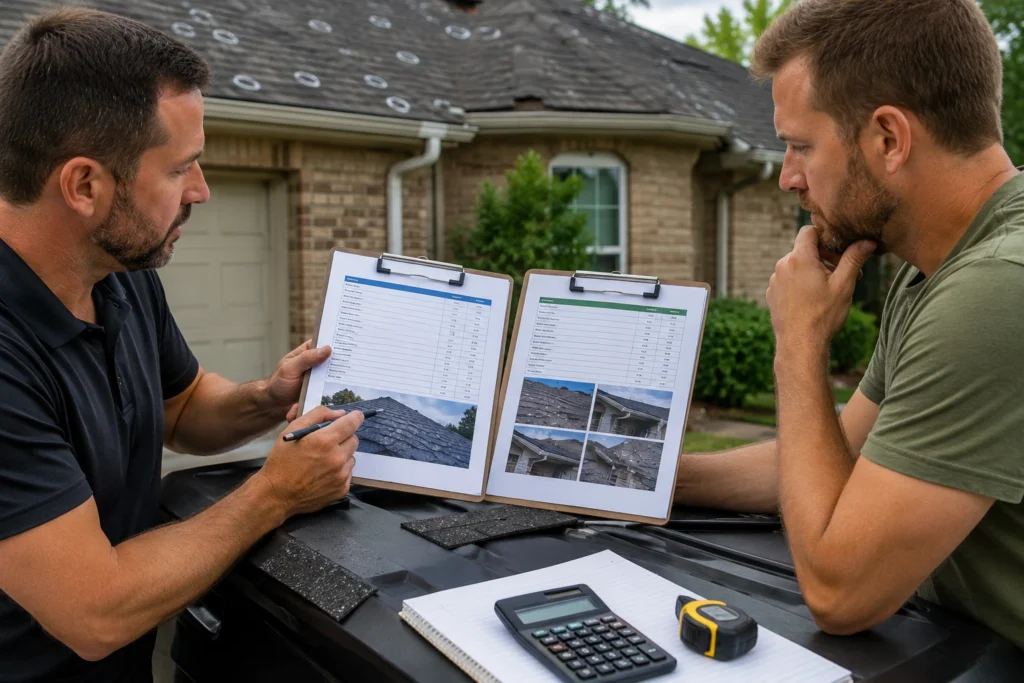
A small difference is normal. A large difference deserves scrutiny. If contractor estimates exceed the insurance estimate by thousands of dollars, important questions should be asked.
Why does the gap exist?
What damage is missing?
Which party’s scope is more complete?
The answers matter.
Important Components Are Missing
Review the estimate carefully.
Look for:
- Gutters
- Downspouts
- Flashing
- Ventilation components
- Screens
- Metal accessories
If damaged items are absent from the estimate, the settlement may not accurately reflect the loss.
Multiple Professionals Reach Different Conclusions
Independent inspections often reveal valuable information. When roofing contractors, engineers, or public adjusters identify damage not included in the insurance estimate, additional review may be appropriate. Differences in professional opinions should never be ignored. They often point toward unresolved claim issues.
What To Do Immediately After Receiving a Low Settlement
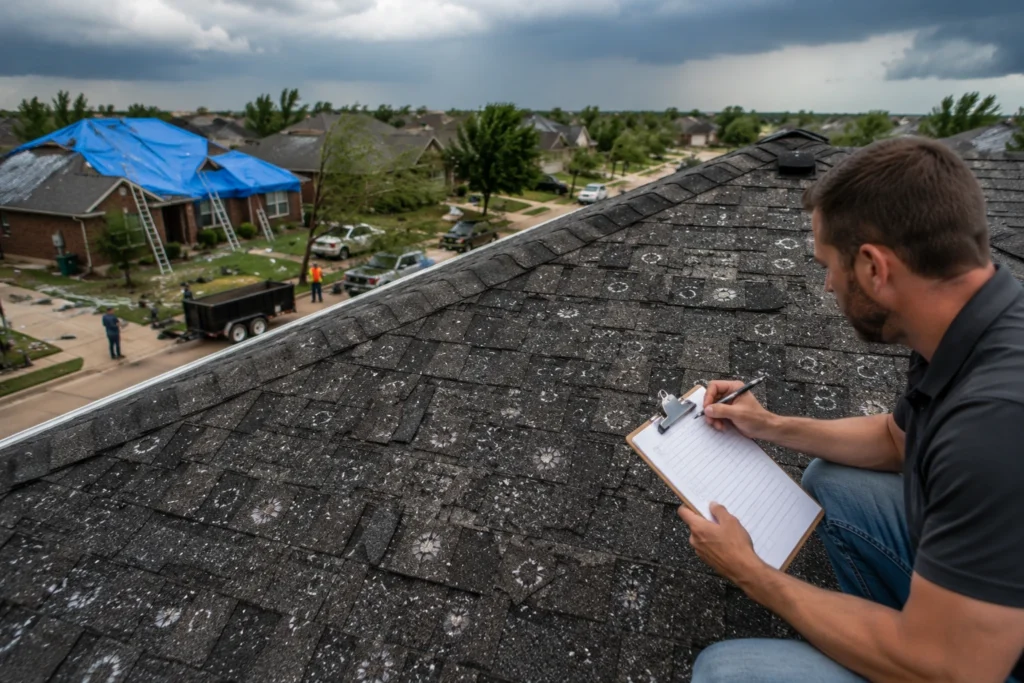
Many homeowners feel pressure to accept the insurance estimate immediately. That can be a mistake. The first settlement is not always the final word.
Review Every Line of the Estimate
Most people skip directly to the total amount. Instead, focus on the details.
Review:
- Scope of work
- Quantities
- Materials
- Labor calculations
- Replacement assumptions
Small omissions often become obvious once the estimate is carefully examined.
Compare Findings Against Independent Inspections
Contractor reports can provide valuable context.
Compare the insurance estimate against:
- Roofing inspections
- Contractor proposals
- Engineering reports
- Manufacturer documentation
Differences should be investigated rather than ignored.
Gather Documentation
Strong claims rely on evidence.
Helpful documentation may include:
- Photographs
- Drone imagery
- Contractor estimates
- Inspection reports
- Weather data
- Material availability information
Documentation transforms opinions into supportable facts.
Maintain Organized Records
Keep copies of:
- Emails
- Letters
- Claim notes
- Inspection reports
- Estimates
Organization becomes increasingly important if disputes develop. A well-documented file often strengthens the homeowner’s position substantially.
How to Challenge an Underpaid Hail Damage Insurance Claim
Receiving a disappointing settlement does not mean the process is over. Far from it. Many homeowners successfully obtain additional claim payments after presenting stronger evidence and requesting further review. The key is approaching the process strategically.
Request Clarification
Start by understanding exactly how the insurance company reached its conclusions. Ask questions. Request explanations.
Seek clarification regarding:
- Excluded damage
- Omitted line items
- Pricing assumptions
- Measurement calculations
- Coverage limitations
Specific questions often reveal important details that may not be obvious from the estimate alone.
Submit Supplemental Documentation
Insurance companies make decisions based on available information. When new evidence emerges, the claim can often be reconsidered.
Useful supplemental documentation may include:
- Additional photographs
- Contractor estimates
- Roofing reports
- Engineering evaluations
- Manufacturer letters
- Material availability documentation
The goal is not to overwhelm the carrier with paperwork. The goal is to provide clear evidence supporting the need for additional repairs.
Request a Reinspection
A reinspection can be one of the most effective tools available to homeowners. Why? Because it creates an opportunity for additional review.
New inspections may uncover:
- Previously missed impacts
- Additional roof damage
- Soft metal damage
- Water intrusion concerns
- Code-related requirements
Fresh eyes often identify issues that were overlooked during the initial inspection.
Understand Your Policy
Many disputes arise because homeowners never fully review their policy language. Coverage provisions matter. Replacement cost provisions matter. Depreciation calculations matter. Policy terms ultimately control what is covered and how payments are calculated. Understanding those provisions provides a stronger foundation for discussions with the insurance company.
Why Insurance Estimates and Repair Estimates Often Differ
One of the most common questions homeowners ask is simple: “Why is my contractor’s estimate so much higher?” There is no single answer. Several factors often contribute.
Different Objectives
Insurance estimates and contractor estimates serve different purposes. An insurance estimate is designed to evaluate covered damage. A contractor estimate is designed to complete the work. Those objectives frequently overlap. They do not always align perfectly.
Scope Differences
The largest gaps often involve scope.
For example:
| Item | Insurance Estimate | Contractor Estimate |
| Roof Replacement | Included | Included |
| Gutters | Excluded | Included |
| Flashing | Excluded | Included |
| Ridge Caps | Partial | Full Replacement |
| Ventilation | Excluded | Included |
A settlement can appear reasonable until the missing components are identified. Then the gap becomes obvious.
Local Market Conditions
Storms affect entire communities. Demand increases rapidly. Material shortages may occur. Labor costs rise. Contractors operating in active storm markets often encounter pricing realities that differ from database assumptions. These differences can create substantial estimate variations.
Documentation Quality
Better documentation typically leads to more complete estimates. When contractors provide extensive photographs, measurements, and supporting reports, additional repair items often emerge. That does not automatically mean the contractor is correct. It does mean the evidence deserves consideration.
The Role of a Public Adjuster in an Underpaid Hail Claim
Many homeowners have never worked with a public adjuster. Others are not entirely sure what public adjusters do. The distinction is important. A public adjuster represents the policyholder. Not the insurance company.
What a Public Adjuster Does
Public adjusters assist property owners by:
- Reviewing policy language
- Inspecting damage
- Documenting losses
- Preparing claim presentations
- Organizing supporting evidence
- Negotiating with insurance carriers
Their focus is ensuring the claim reflects the full extent of covered damage.
Identifying Missing Damage
One of the most valuable services public adjusters provide involves claim review.
They often identify:
- Missing repair items
- Incomplete scopes
- Pricing discrepancies
- Documentation gaps
- Coverage issues
These findings frequently become the foundation for supplemental claim discussions.
Managing the Claims Process
Claims can become complicated. Especially after severe storms. Communication, documentation, inspections, and negotiations all require time and attention. A public adjuster helps manage those responsibilities while maintaining focus on claim accuracy.
When a Public Adjuster May Be Helpful
Not every claim requires professional representation. However, homeowners often consider additional assistance when:
- Large losses are involved
- The claim appears underpaid
- Coverage questions exist
- Repairs exceed settlement amounts
- Reinspections have not resolved concerns
Each situation is unique. The appropriate response depends on the facts of the claim.
Why Prosper Homeowners Should Pay Special Attention to Hail Claims
North Texas is no stranger to hail. Large storms move through the region regularly, creating significant property damage and substantial insurance activity. For homeowners in Prosper, those realities deserve careful attention.
Prosper Properties Often Involve Significant Repair Costs
Many homes in Prosper feature:
- Larger roof systems
- Premium roofing materials
- Custom exterior finishes
- High-end architectural details
As property complexity increases, the likelihood of overlooked repair items often increases as well. A small omission on a large project can represent thousands of dollars.
Matching Issues Are Common
Homeowners in Prosper frequently live in neighborhoods where appearance matters. A partial repair that creates obvious mismatches can impact curb appeal and property value.
Matching concerns may involve:
- Roofing materials
- Gutters
- Paint finishes
- Siding systems
These issues deserve careful review during the claim process.
Second Opinions Provide Valuable Perspective
Many Prosper homeowners seek independent inspections after receiving insurance estimates. Not because they want conflict. Because they want clarity. Independent evaluations often reveal important information that helps property owners make informed decisions.
Mistakes Homeowners Make After an Underpaid Hail Claim
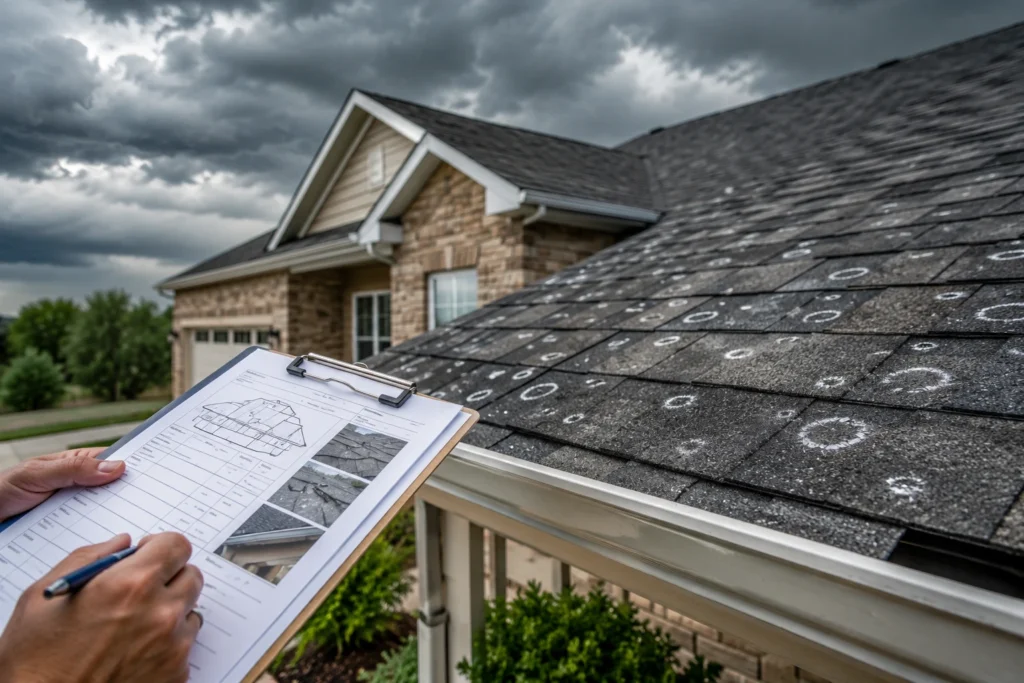
Some mistakes are surprisingly common. Avoiding them can significantly improve the outcome of a claim.
Accepting the First Offer Without Review
The first settlement should be reviewed carefully. Every line item matters. Every measurement matters. Every omitted component matters. Accepting an estimate without understanding its contents can lead to unexpected expenses later.
Failing to Obtain Independent Inspections
Independent inspections provide context. Without them, homeowners may never know whether damage was overlooked. A second opinion can be incredibly valuable.
Waiting Too Long
Time matters. Documentation becomes harder to gather. Conditions change. Repairs begin. Evidence disappears. Prompt action often strengthens claim discussions.
Focusing Only on the Settlement Amount
This mistake occurs constantly. Homeowners see a large number and assume the estimate is complete. The scope of work is often more important than the total payment. A seemingly generous settlement can still contain significant omissions.
Assuming All Damage Was Identified
No inspection is perfect. No estimate is perfect. Verification matters. Additional inspections frequently uncover damage that was not identified initially. That reality makes independent review worthwhile.
Building a Stronger Claim Moving Forward
If there is one lesson homeowners should remember, it is this: Evidence drives outcomes. Strong documentation creates stronger claims.
That means:
- Taking photographs
- Preserving records
- Obtaining inspections
- Reviewing estimates carefully
- Tracking communications
- Seeking clarification when necessary
The more organized the information, the easier it becomes to evaluate whether the settlement accurately reflects the loss. Many successful supplemental claims begin with nothing more than a homeowner taking the time to compare estimates line by line. The differences often tell an important story.
Conclusion
A severe hailstorm can damage far more than shingles. Gutters, flashing, ventilation systems, siding, windows, and numerous other components may be affected. When even a few of those items are overlooked, an underpaid hail damage insurance claim can emerge. Unfortunately, many homeowners do not discover the problem until repair estimates arrive and the numbers fail to add up.
For homeowners evaluating potential Soft Metal Hail Damage Insurance Claims, careful documentation and independent inspections can be especially important because these components are frequently overlooked during initial claim evaluations. When questions arise, additional evidence, supplemental documentation, and professional guidance may help ensure the claim reflects the true scope of covered damage. If you believe your underpaid hail damage insurance claim does not accurately reflect the damage to your property, do not assume the process is finished. Review the estimate carefully. Compare it against independent findings. Gather documentation. Ask questions. For homeowners in Prosper, taking those steps can help protect both your property and your financial interests while ensuring repairs are completed properly and completely.
FAQs
If repair estimates from reputable contractors are significantly higher than your settlement or important damage is missing from the estimate, your claim may have been underpaid.
Yes. Homeowners can often request a reinspection, submit supplemental documentation, or provide additional evidence supporting the full scope of damage.
Photographs, contractor estimates, inspection reports, engineering evaluations, and weather records can all strengthen your position during a claim review.
Differences often arise from missing line items, pricing discrepancies, measurement errors, or disagreements regarding the extent of damage.
A second inspection can provide valuable insight and may identify damage that was overlooked during the initial claim evaluation.
A supplemental claim is a request for additional compensation after new evidence or previously unidentified damage is discovered.
Absolutely. Hail can damage gutters, flashing, siding, windows, screens, garage doors, and other exterior components.
A public adjuster represents the policyholder, reviews damage, organizes documentation, and helps negotiate a fair settlement with the insurance company.
Time limits vary by policy and state regulations, so homeowners should review their policy and act promptly when concerns arise.
Yes. If replacement materials do not match existing materials due to discontinuation or color differences, additional claim considerations may apply.