
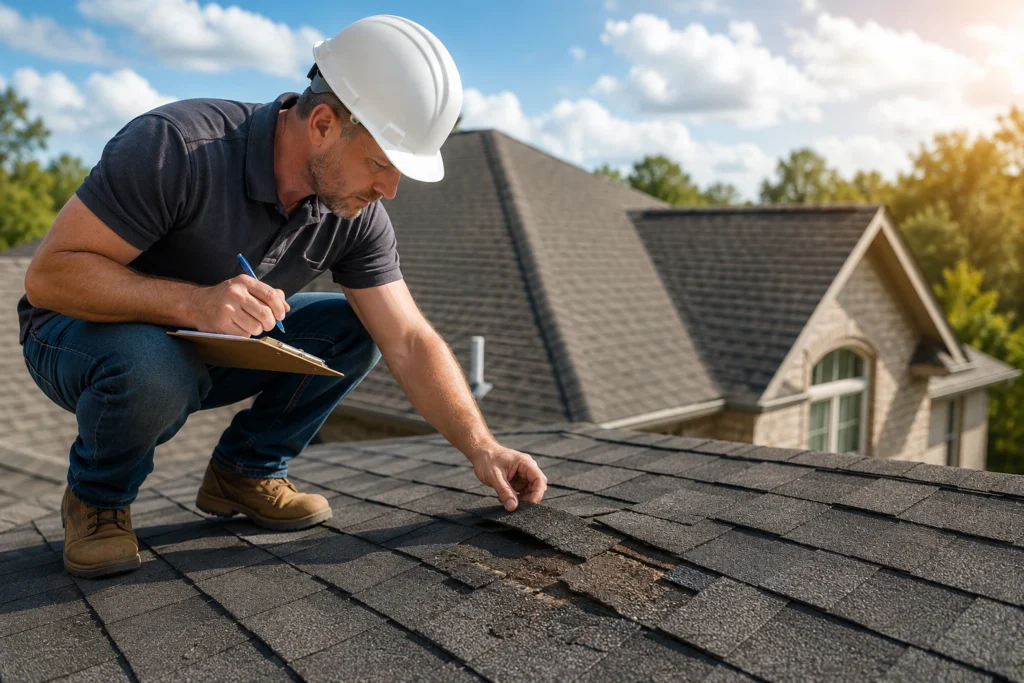
Most homeowners assume the first insurance inspection tells the entire story. The adjuster visits the property, takes photographs, examines the roof, and eventually issues an estimate. The claim moves forward. Case closed. Not always. A roof claim second inspection can dramatically change the outcome of a roofing claim. In many situations, additional damage is discovered, missing repair items are identified, and settlement amounts are adjusted to better reflect the true scope of the loss. For homeowners facing significant storm damage, that second look can make a substantial financial difference.
Insurance claims are rarely simple. Weather events create complex damage patterns. Roofing systems contain numerous components. Some forms of damage are obvious, while others remain hidden until a more thorough evaluation takes place. Much like the concept of emergence in complex systems, seemingly minor issues can combine to create much larger problems that are not immediately apparent during an initial inspection. This becomes especially important after major hailstorms and wind events. Homeowners often assume that an insurance company’s first assessment is comprehensive. Yet contractors, engineers, and public adjusters frequently uncover issues that were not included in the original estimate. For property owners in Prosper, understanding the second inspection process can help protect one of their largest investments.
What Is a Roof Claim Second Inspection?
A roof claim second inspection, sometimes called a reinspection, occurs when an insurance company agrees to revisit a property after concerns arise regarding the original assessment. The purpose is straightforward. Someone believes the first inspection may not have fully captured the extent of the damage.
That concern can originate from several sources:
- The homeowner
- A roofing contractor
- A public adjuster
- An engineer
- The insurance carrier itself
The reinspection allows all parties to review the property again, compare findings, and evaluate whether additional covered damage exists.
Contrary to popular belief, requesting a second inspection is not unusual. It happens every day. Insurance claims are built upon evidence. When new evidence emerges, additional review often becomes necessary.
Why Insurance Adjusters Sometimes Miss Roof Damage
Most adjusters work hard and genuinely attempt to document damages accurately. However, perfection is impossible. Several factors can contribute to incomplete findings during an initial inspection.
High Claim Volumes Following Storms
After a severe weather event, insurance companies may process hundreds or even thousands of claims within a short period. The volume can be overwhelming.
Inspectors often travel from region to region handling large numbers of properties daily. Under these circumstances, time becomes a limited resource. A rushed inspection increases the likelihood that subtle forms of damage remain unnoticed.
Some Damage Is Difficult to Identify
Not all roof damage announces itself loudly. Certain problems require careful examination.
Examples include:
- Shingle bruising
- Granule displacement
- Lifted seal strips
- Minor flashing impacts
- Underlayment damage
- Soft metal denting
From the ground, many of these conditions appear insignificant. Upon closer examination, they may indicate widespread storm-related damage.
Roof Access Challenges
Safety concerns can limit inspections. Steep slopes. Wet surfaces. Multiple-story structures. Obstructions. Weather conditions sometimes prevent a complete evaluation during the first visit. As a result, portions of the roof may receive less scrutiny than intended.
Hidden Moisture Problems
Water intrusion does not always create immediate interior damage. Moisture can become trapped beneath roofing materials for weeks or months before symptoms appear. A ceiling stain visible today may trace back to a storm that occurred months earlier. This delayed manifestation frequently leads to supplemental inspections.
Signs Your Claim May Need Another Look
Not every claim requires a reinspection. However, certain warning signs deserve attention.
The Settlement Seems Unusually Low
Many homeowners focus entirely on the final payment amount. That is understandable. But the real story often lives inside the estimate. Review the scope carefully. Ask questions. Compare the estimate against contractor findings.
Look for missing items such as:
| Roofing Component | Commonly Overlooked Issues |
| Ridge Caps | Missing replacement quantities |
| Flashing | Incomplete replacement scope |
| Drip Edge | Omitted entirely |
| Ventilation Components | Not included in repairs |
| Underlayment | Partial replacement only |
| Starter Shingles | Missing quantities |
Even small omissions can create significant cost differences.
Your Contractor Found More Damage
Contractors spend their careers evaluating roofs. They often identify issues that were not included in the original insurance estimate. This does not automatically mean the insurance company was wrong. It simply means additional information now exists. When substantial differences appear between professional evaluations, a second inspection may be warranted.
Leaks Continue After the Claim
A roof should perform properly after repairs. If leaks persist, something deserves further investigation.
Potential causes include:
- Missed storm damage
- Hidden punctures
- Damaged flashing
- Improper scope development
- Additional water intrusion
Ongoing leakage often becomes a strong justification for reinspection.
New Problems Appear After Rain
Sometimes the first major rainfall after a claim reveals issues that were not visible initially.
These may include:
- Water stains
- Attic moisture
- Damaged insulation
- Ceiling discoloration
- Mold growth
New evidence can strengthen a request for further review.
What Happens During a Roof Claim Second Inspection?
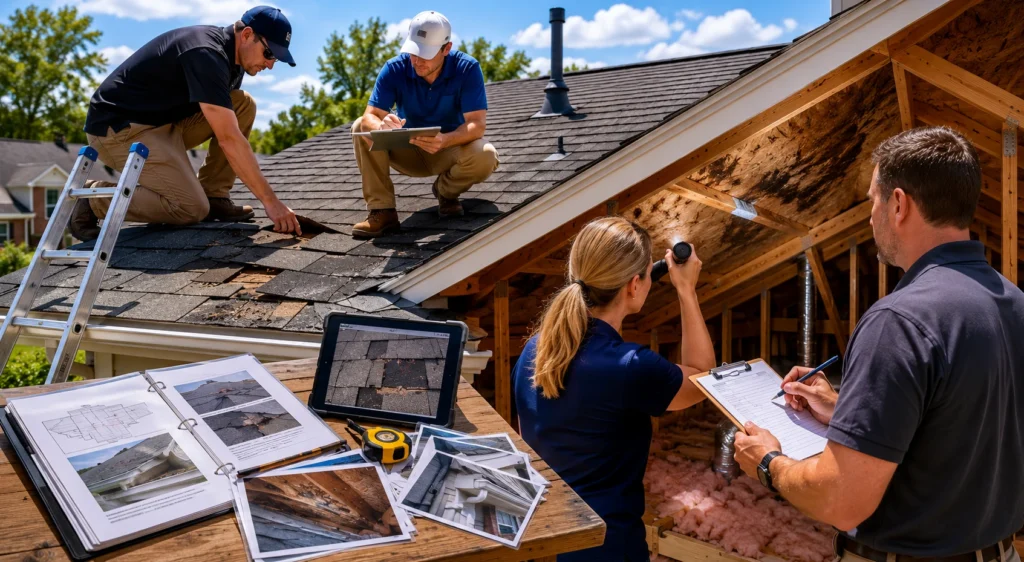
Many homeowners imagine a confrontational process. The reality is usually much less dramatic. A roof claim second inspection is primarily an information-gathering exercise. The goal is to determine whether the original assessment remains accurate.
Scheduling the Inspection
The process typically begins when concerns are presented to the insurance carrier. Supporting documentation helps.
Examples include:
- Contractor reports
- Photographs
- Engineering opinions
- Moisture readings
- Repair estimates
The stronger the evidence, the easier it becomes to justify a reinspection.
Who Usually Attends?
Several parties may participate.
These often include:
- Insurance adjusters
- Roofing contractors
- Public adjusters
- Homeowners
Having multiple perspectives can be beneficial. Questions can be addressed immediately. Disagreements can be discussed onsite. Evidence can be reviewed in real time.
Areas Commonly Examined
A thorough reinspection may involve substantially more detail than the original visit. Inspectors frequently review:
Roofing Materials
Every roofing slope may be examined individually.
Inspectors often look for:
- Hail impacts
- Wind damage
- Creasing
- Missing shingles
- Granule loss
Flashing and Penetrations
Critical roof penetrations receive close attention.
This includes:
- Pipe boots
- Vent caps
- Chimneys
- Skylights
These areas often represent common leak points.
Gutters and Soft Metals
Soft metals can provide valuable evidence regarding storm severity.
Inspectors frequently evaluate:
- Gutters
- Downspouts
- Roof vents
- Flashing components
- Metal accessories
Damage to these components often supports broader storm damage findings.
Interior Spaces
Attics can reveal information unavailable from the exterior.
Inspectors may look for:
- Water stains
- Mold growth
- Moisture intrusion
- Decking damage
Interior evidence often becomes highly influential during claim reviews.
Documents That Strengthen a Roof Claim Second Inspection
Evidence matters. A lot. The more organized your documentation, the easier it becomes to support your position.
Independent Roofing Reports
Professional assessments provide valuable insight.
Contractors can identify:
- Storm-related impacts
- Repair requirements
- Material concerns
- Safety issues
Detailed reports help create a clearer picture of the property’s condition.
Photographic Documentation
Photos tell stories. Good photos tell compelling stories.
Capture:
- Overall roof conditions
- Close-up damage
- Interior impacts
- Attic conditions
- Water intrusion
The more comprehensive the visual record, the stronger the claim file becomes.
Weather Documentation
Storm reports can help establish timelines. Relevant information may include:
- Hail size
- Wind speeds
- Storm dates
- Weather alerts
This data can help connect observed damage to a specific event.
Moisture Reports
Some of the most expensive damage remains invisible. Professional moisture testing can reveal:
- Hidden leaks
- Trapped water
- Wet insulation
- Elevated moisture levels
These findings often support supplemental claim requests.
Common Damage Found During Roof Reinspections
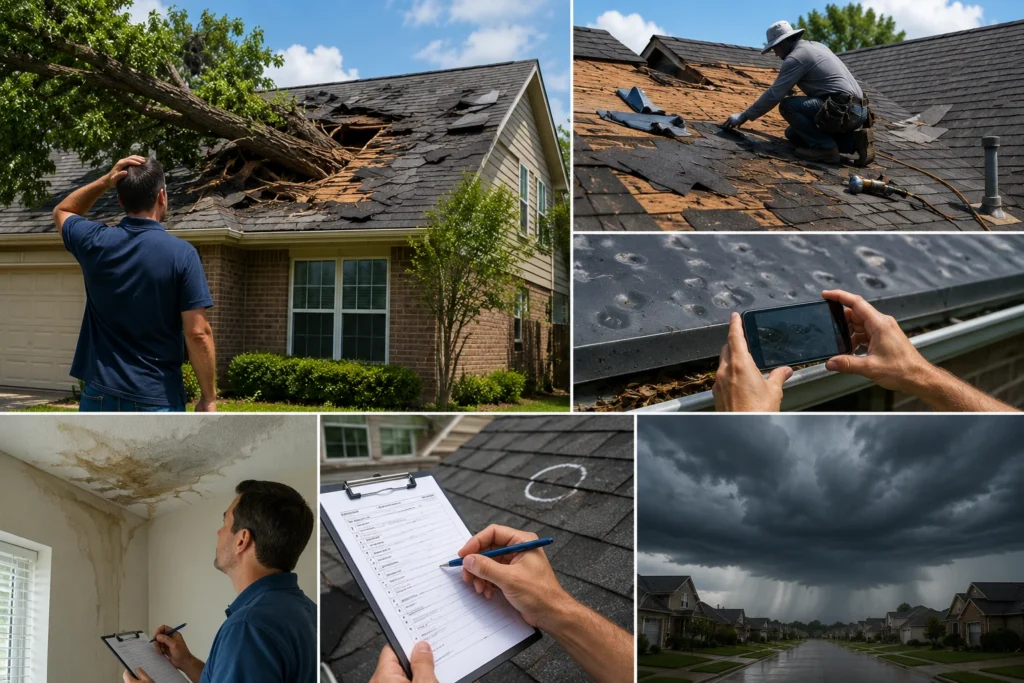
One of the biggest surprises for homeowners is how often additional damage is discovered during a second inspection. This is not necessarily because someone made a mistake. Rather, additional time, documentation, and expert review often reveal conditions that were not fully visible during the original assessment.
Hail Damage
Hail can create a wide range of roofing issues. Some impacts are obvious. Others are subtle. A damaged shingle may show bruising beneath the surface while appearing relatively normal from above. Over time, however, that compromised area can deteriorate and eventually lead to leaks or premature roof failure.
Common hail-related findings include:
- Granule loss
- Shingle bruising
- Fractured fiberglass mats
- Exposed asphalt
- Damaged ridge caps
Wind Damage
Wind affects roofing systems differently than hail.
nstead of direct impacts, wind often weakens the roof’s ability to resist future weather events.
Inspectors frequently identify:
- Lifted shingles
- Creased shingles
- Torn seal strips
- Missing shingles
- Detached flashing
Even minor wind damage can create openings that allow water intrusion later.
Flashing Damage
Flashing protects vulnerable transitions on the roof. When flashing becomes damaged, leaks often follow.
During a roof claim second inspection, inspectors commonly examine:
- Chimney flashing
- Valley flashing
- Step flashing
- Counter flashing
- Skylight flashing
These areas deserve close attention because small defects can produce significant water damage over time.
Soft Metal Damage
One area that often receives additional scrutiny involves soft metals. Many experienced roofing professionals pay close attention to dents and impacts found on roof vents, flashing, gutters, and other metal components.
In fact, discussions involving Soft Metal Hail Damage Insurance Claims frequently arise during reinspections because these components can provide important evidence regarding storm severity and impact patterns. Soft metal damage does not automatically justify roof replacement. However, it can become an important piece of the overall damage assessment.
Moisture Intrusion
Water has a remarkable ability to travel. The location of a stain is not always the location of the leak.
During reinspections, investigators may discover:
- Wet insulation
- Hidden attic moisture
- Damaged decking
- Mold growth
- Secondary water damage
These findings can significantly affect repair scope and claim valuation.
How a Public Adjuster Can Help During a Roof Claim Second Inspection
Many homeowners are unfamiliar with the role of a public adjuster. The distinction matters. A public adjuster works for the policyholder. Not the insurance company. Their focus is helping ensure the claim accurately reflects covered damages.
Reviewing the Original Estimate
The first step often involves analyzing the carrier’s estimate line by line.
This review may identify:
- Missing repairs
- Pricing discrepancies
- Incomplete scopes
- Code-related omissions
- Overlooked damage
Sometimes the differences are minor. Sometimes they are substantial.
Organizing Evidence
A strong claim depends on documentation. Public adjusters frequently help assemble:
- Inspection reports
- Contractor estimates
- Photographs
- Moisture reports
- Weather data
The goal is simple. Present the evidence clearly and professionally.
Participating in the Reinspection
Many public adjusters attend reinspections directly. This creates an opportunity to discuss concerns onsite while all parties review the property together. Questions can be addressed immediately. Evidence can be reviewed in real time. Potential misunderstandings can often be resolved more efficiently.
Negotiating Supplemental Payments
When additional covered damage is identified, supplemental payments may become appropriate. This process often involves:
- Additional documentation
- Scope revisions
- Cost discussions
- Coverage review
Proper preparation frequently improves the efficiency of these conversations.
Mistakes Homeowners Should Avoid
The actions taken after storm damage can influence the entire claim process. Some mistakes are surprisingly common. Fortunately, they are also avoidable.
Assuming the First Inspection Is Final
Many homeowners believe the initial inspection permanently determines claim value. That is not always true. New information can justify further review. Additional evidence can support supplemental requests. The claims process often remains flexible when supported by documentation.
Starting Repairs Too Early
Emergency mitigation may be necessary. Permanent repairs, however, should be approached carefully. Once damaged materials are removed, important evidence may disappear. Before major repairs begin, ensure all necessary inspections have occurred.
Failing to Document Damage
Documentation becomes increasingly important as claims progress. Take photographs. Save invoices. Maintain inspection reports. Keep communication records. Good documentation often becomes one of the strongest assets available during a dispute.
Ignoring Professional Recommendations
When multiple roofing professionals express concern regarding missing damage, it may be worth investigating further. A second opinion costs far less than discovering significant unrepaired damage years later.
Waiting Too Long
Insurance policies contain deadlines. Reporting delays can complicate claim reviews. If concerns exist regarding the original inspection, address them promptly.
Why Roof Claim Second Inspections Are Common in Prosper
Severe weather is not uncommon in North Texas. That reality influences roofing claims. Homeowners in Prosper regularly experience storms capable of producing significant roof damage. Large hail. Strong winds. Heavy rainfall. These events create complex damage patterns that sometimes require additional evaluation.
Storm Damage Can Evolve
One challenge with roofing claims involves timing. Not all damage becomes visible immediately. A roof may appear functional shortly after a storm. Months later, leaks begin appearing. Water stains emerge. Attic moisture develops.
Because of this delayed progression, many homeowners request a roof claim second inspection after discovering issues that were not apparent during the original claim process.
Documentation Matters More Than Ever
Properties in Prosper frequently experience weather conditions that generate competing interpretations regarding damage severity. Documentation helps reduce uncertainty. Professional inspections. Photographs. Weather records. Moisture testing. These resources provide objective evidence that supports claim evaluations.
Roofing Systems Are More Complex Than Most People Realize
Modern roofs contain numerous interconnected components. When one component fails, other areas may become affected. A comprehensive second inspection often examines the entire system rather than focusing solely on visible surface damage. That broader perspective frequently uncovers important information.
Possible Outcomes After a Roof Claim Second Inspection
Many homeowners wonder what happens next. The answer depends on the findings. Several outcomes are possible.
Supplemental Payments
One of the most common results involves supplemental funding.
Additional covered damage may require:
- More labor
- Additional materials
- Expanded repairs
- Code-related upgrades
When justified, carriers may issue additional payments to address those needs.
Full Roof Replacement Approval
Sometimes the second inspection reveals damage extensive enough to support complete replacement.
Factors may include:
- Widespread hail impacts
- Significant wind damage
- Repairability concerns
- Material matching issues
Every claim remains unique. However, reinspections occasionally lead to substantial scope revisions.
Expanded Interior Coverage
Water intrusion often extends beyond the roof itself.
Additional findings may involve:
- Drywall damage
- Insulation replacement
- Paint repairs
- Flooring damage
These issues can increase overall claim value when properly documented.
Engineering Evaluations
Certain claims become technically complex. In those situations, engineering review may be requested.
Engineers can provide additional analysis regarding:
- Causation
- Structural conditions
- Damage mechanisms
- Repair recommendations
Their findings often become influential during claim discussions.
Continued Disagreements
Not every reinspection resolves every issue. Sometimes differences remain. When that occurs, additional claim resolution options may be available depending on policy language and claim circumstances.
How to Prepare for a Roof Claim Second Inspection
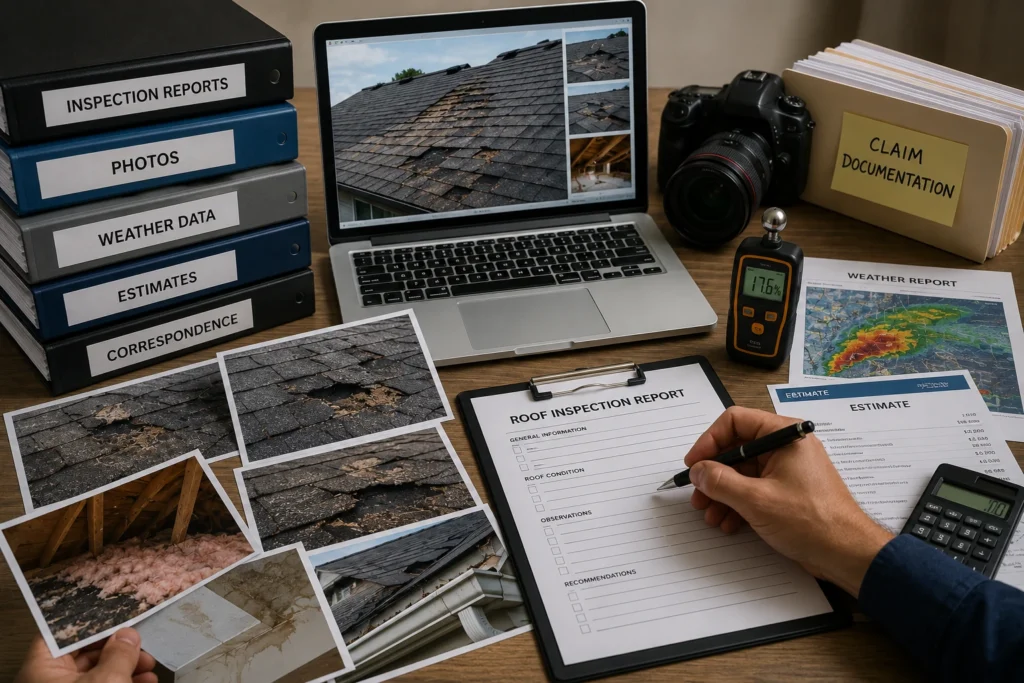
Preparation can significantly improve the inspection experience. A little organization goes a long way. Gather Every Claim Document
Create a file containing:
- Original estimate
- Claim correspondence
- Inspection reports
- Contractor proposals
- Photographs
Having everything available prevents delays.
Organize Photos Chronologically
Visual evidence becomes more persuasive when presented clearly.
Arrange photographs by:
- Date
- Area of damage
- Inspection stage
This helps establish a clear timeline.
Create a Concern List
Walk the property beforehand.
Document:
- Leaks
- Stains
- Missing shingles
- Damaged gutters
- Moisture concerns
A written list ensures important issues are not forgotten during the inspection.
Ensure Access
Inspectors need access to:
- The roof
- The attic
- Interior damage areas
Prepare these spaces in advance whenever possible.
Have Professionals Present
Contractors and public adjusters often provide valuable input during the inspection. Their presence may help clarify technical issues and facilitate productive discussions.
Why Documentation Often Determines Claim Outcomes
Many claim disputes ultimately come down to evidence. Not opinions. Not assumptions. Evidence. Insurance companies evaluate documentation. Contractors rely on documentation. Public adjusters organize documentation. The stronger the documentation, the stronger the claim presentation becomes.
Evidence Creates Clarity
Detailed documentation reduces uncertainty.
It helps establish:
- What happened
- When it happened
- How extensive the damage is
- What repairs are necessary
This clarity benefits everyone involved.
Organized Claims Receive Better Review
Claims supported by thorough documentation often move more efficiently through the review process.
Helpful materials include:
| Documentation Type | Purpose |
| Photos | Visual evidence |
| Inspection Reports | Professional findings |
| Weather Data | Event verification |
| Moisture Reports | Hidden damage identification |
| Estimates | Repair cost analysis |
| Correspondence | Claim timeline support |
The goal is not to overwhelm reviewers. The goal is to provide a complete picture.
Final Thoughts
A roof claim second inspection can be one of the most important stages in the insurance claims process. The first inspection is not always the final word. Storm damage can be overlooked. Additional evidence can emerge. Hidden moisture problems can develop. Repair scopes can evolve. For homeowners, the key is remaining proactive. Review estimates carefully. Ask questions. Document everything. Seek professional opinions when necessary.
Most importantly, do not assume that unanswered concerns will resolve themselves. For many property owners in Prosper, a second inspection has helped uncover overlooked damage, support supplemental payments, and create a more accurate understanding of what the property truly needs after a storm. When questions remain regarding the scope of damage or the adequacy of the original estimate, requesting a roof claim second inspection may be one of the smartest decisions a homeowner can make.
FAQs
A roof claim second inspection is a reinspection requested when there are concerns that the original insurance inspection may have missed damage or underestimated repairs.
Yes. Homeowners can request a reinspection if new evidence, contractor findings, or additional damage supports further review.
The timeframe depends on your insurance policy and state regulations, so it is best to request a reinspection as soon as concerns arise.
Helpful documents include contractor reports, photographs, repair estimates, weather reports, moisture readings, and prior claim correspondence.
No. However, if additional covered damage is identified, the insurance company may adjust the claim and issue supplemental payments.
Having your contractor present can be beneficial because they can explain their findings and discuss repair requirements directly with the adjuster.
Additional hail damage, wind damage, flashing issues, soft metal impacts, and hidden moisture intrusion are frequently identified during second inspections.
Yes. If the reinspection reveals widespread damage or repair limitations, the insurance company may approve a full roof replacement.
Additional dispute resolution options may be available depending on the policy, including appraisal, engineering review, or further claim negotiations.
A public adjuster can help review the estimate, organize documentation, identify missing damage, and advocate for a more accurate claim evaluation.